
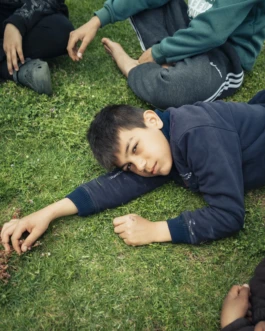
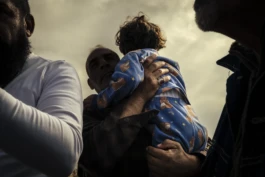
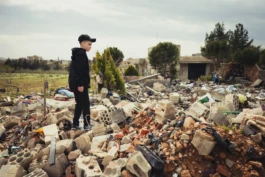
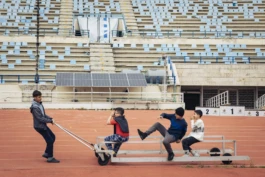
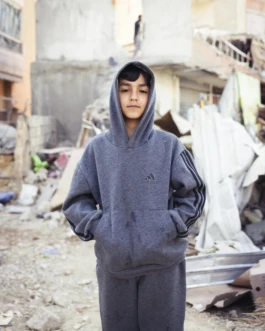
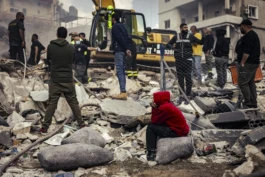
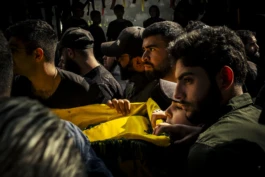
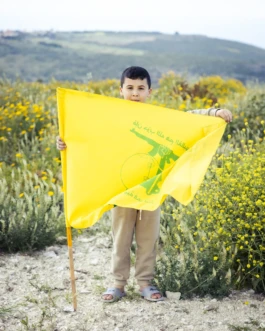


I have spent two months in Lebanon documenting the war. What stood out most were the children. It was heartbreaking seeing innocent life surrounded by hardship and pain, and unbelievable how they exist in this world, still playing, still curious. The era of photography when shocking images made a difference in war is over. We’re numb to these images. However, witnessing the struggles of the most vulnerable demographic in this context could reveal the true inhumanity of war and effect change.
«Jonathan Labusch’s photographs, “Children Of War”, are clearly remarkable simply because he went to see what war is like and how to approach it in a human and photographic way without falling into pathos or sensationalism. This encounter with children, who, despite everything, continue to smile and play, offers a glimmer of hope and allows us to relate to them in some way. The documentary style is masterfully executed, and these images are essential. This work takes me to dangerous places, to meet people I will never see, and that is one of the magical powers of photography.»
Virginie Otth
Mein Vater spielt Gitarre, seit ich mich erinnern kann, und fotografiert schon so lange. Mit 13 nahm ich eine seiner Gitarren und konnte sie zehn Jahre lang kaum ablegen. Vor vier Jahren nahm ich eine seiner Kameras und verlasse seither nie das Haus ohne Schlüssel, Portemonnaie, Handy und vor allem nie ohne Kamera! Da ich in der Musikszene in Zürich und Winterthur vernetzt war, begann ich Konzerte zu fotografieren; an der MAZ vertiefte ich mich auch in die Porträtfotografie. Die Fotografie zeigte mir einen Weg, meine grösste Neugier zu stillen: die Faszination am Menschen. Sie brachte mich in fremde Küchen, Schlafzimmer und Stuben, nach Sri Lanka, Norddeutschland und New York.


Jonathan Labusch
Children Of War
I have spent two months in Lebanon documenting the war. What stood out most were the children. It was heartbreaking seeing innocent life surrounded by hardship and pain, and unbelievable how they exist in this world, still playing, still curious. The era of photography when shocking images made a difference in war is over. We’re numb to these images. However, witnessing the struggles of the most vulnerable demographic in this context could reveal the true inhumanity of war and effect change.
«Jonathan Labusch’s photographs, “Children Of War”, are clearly remarkable simply because he went to see what war is like and how to approach it in a human and photographic way without falling into pathos or sensationalism. This encounter with children, who, despite everything, continue to smile and play, offers a glimmer of hope and allows us to relate to them in some way. The documentary style is masterfully executed, and these images are essential. This work takes me to dangerous places, to meet people I will never see, and that is one of the magical powers of photography.»
Virginie Otth
Mein Vater spielt Gitarre, seit ich mich erinnern kann, und fotografiert schon so lange. Mit 13 nahm ich eine seiner Gitarren und konnte sie zehn Jahre lang kaum ablegen. Vor vier Jahren nahm ich eine seiner Kameras und verlasse seither nie das Haus ohne Schlüssel, Portemonnaie, Handy und vor allem nie ohne Kamera! Da ich in der Musikszene in Zürich und Winterthur vernetzt war, begann ich Konzerte zu fotografieren; an der MAZ vertiefte ich mich auch in die Porträtfotografie. Die Fotografie zeigte mir einen Weg, meine grösste Neugier zu stillen: die Faszination am Menschen. Sie brachte mich in fremde Küchen, Schlafzimmer und Stuben, nach Sri Lanka, Norddeutschland und New York.
